



Bogotá - Madrid - Washington, D.C.
RESEARCH AND ANALYSIS · STRATEGIC ADVISORY · TECHNOLOGY AND SOLUTIONS
Understand threats.
Build capabilities.
Connect solutions.

APPLIED RESEARCH · DRONES & COUNTER-UAS · CRITICAL INFRASTRUCTURE & BORDERS · DOCTRINE AND REGULATION · NEEDS ASSESSMENT · SOLUTIONS ·
APPLIED RESEARCH · DRONES & COUNTER-UAS · CRITICAL INFRASTRUCTURE & BORDERS · DOCTRINE AND REGULATION · NEEDS ASSESSMENT · SOLUTIONS ·

The Latest from our Briefing Room
Free monitors
Open intelligence, updated continuously
Built on open-source research and a network of confidential sources and subject-matter experts. Free to use; in-depth, commissioned analysis available on request.
Contested Skies
Latin American Drone Threat Monitor
Geolocated drone incidents across the region, drawn from open-source research and confidential sourcing.
Open the monitor →Hollow Border
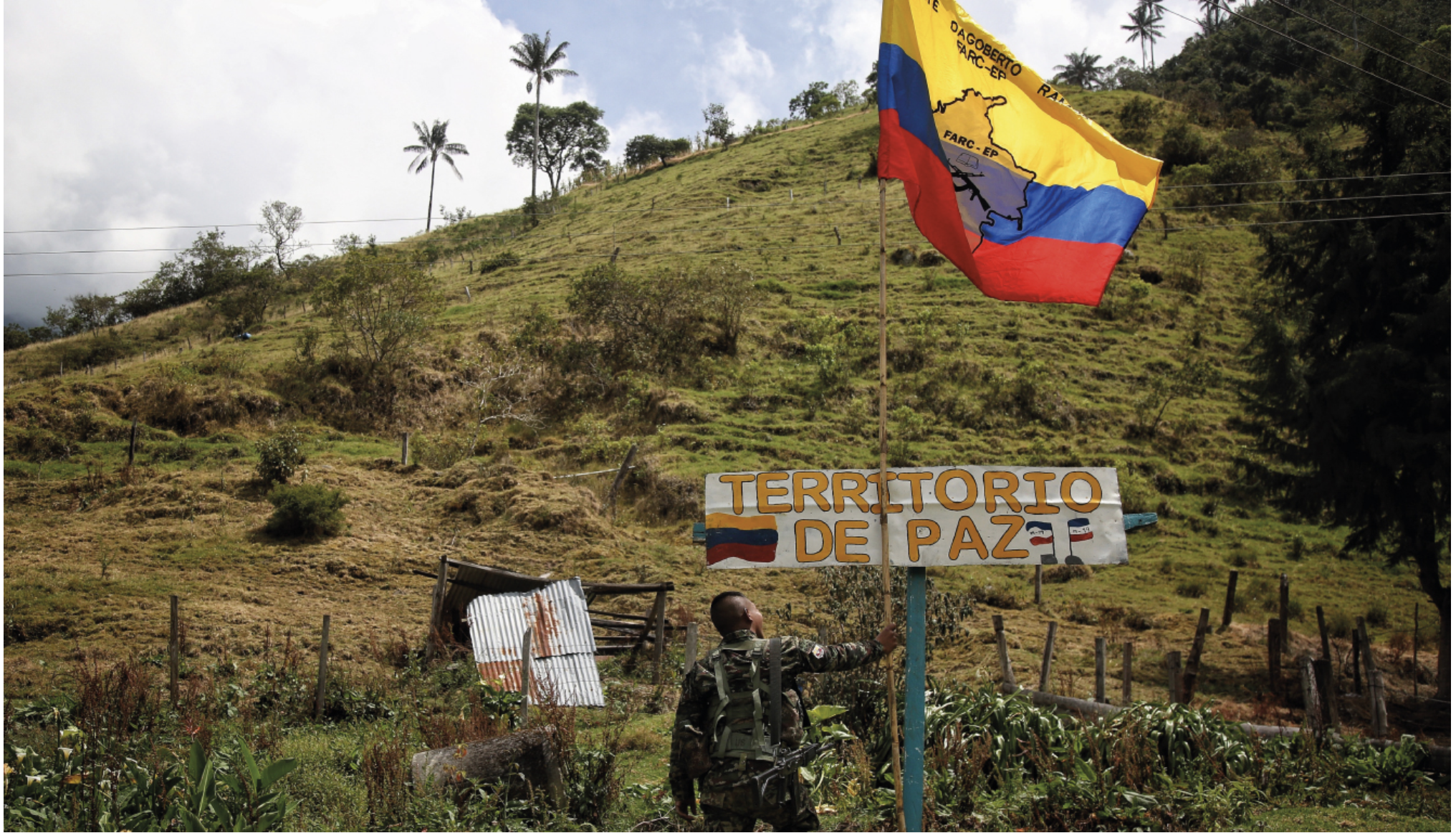
Colombia–Venezuela Border Monitor
Military, criminal, and migration dynamics tracked along the frontier in near-real time.
Open the monitor →Talveris in the Media
Quoted — June 22, 2026
In this S&P Global analysis of energy policy under Colombia's president-elect Abelardo De la Espriella, Dorian Kantor distinguishes what the incoming administration can change by executive action —restarting oil and gas exploration contracting, redirecting state-owned Ecopetrol toward hydrocarbons, fast-tracking permits— from what remains beyond its reach. Fracking, environmental licensing and prior consultation are blocked by the Constitution and courts. The deeper constraint, Kantor argues, is transmission and finance, not community opposition —the real structural battle of De la Espriella’s energy agenda.

Quoted — June 21, 2026
In this interview, Dorian Kantor argued that the US–Iran war can't be judged by counting destroyed buildings. Measured by regime survival, political objectives, coercive capacity, and alliance cohesion, the result diverges: the US won militarily but lost strategically, while Iran—despite catastrophic losses—consolidated pressure over Hormuz. What remains contested is the future of US–Iran relations and Washington's coercive power in the international system.

Political analysis — July 8, 2026
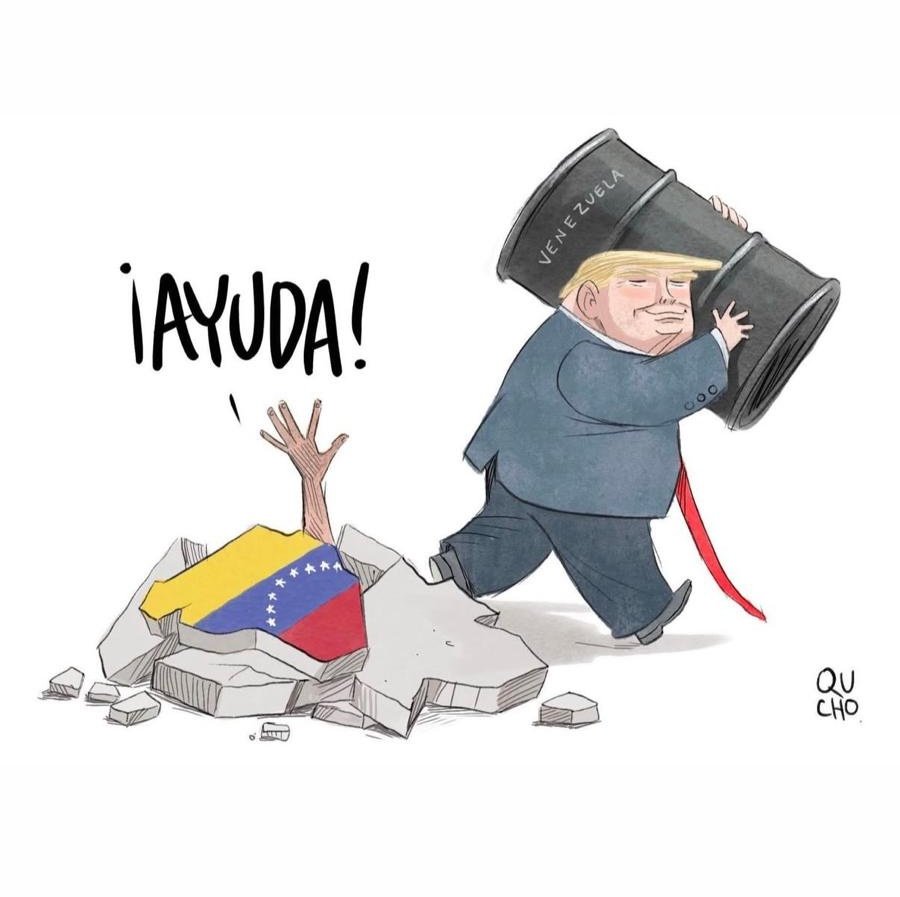
Six months after Maduro's fall, Washington controls Venezuela's oil and its transition but answers for neither. The June earthquakes, with a confirmed toll above 3,300, turned that control-without-accountability into a mass-casualty test the arrangement fails. Our new analysis traces how an oil-first order supervises without governing, offers aid as charity rather than obligation, and leaves responsibility for the dead resting nowhere.
Dorian Kantor, Elisabeth Weber
Political Analysis — July 6, 2026
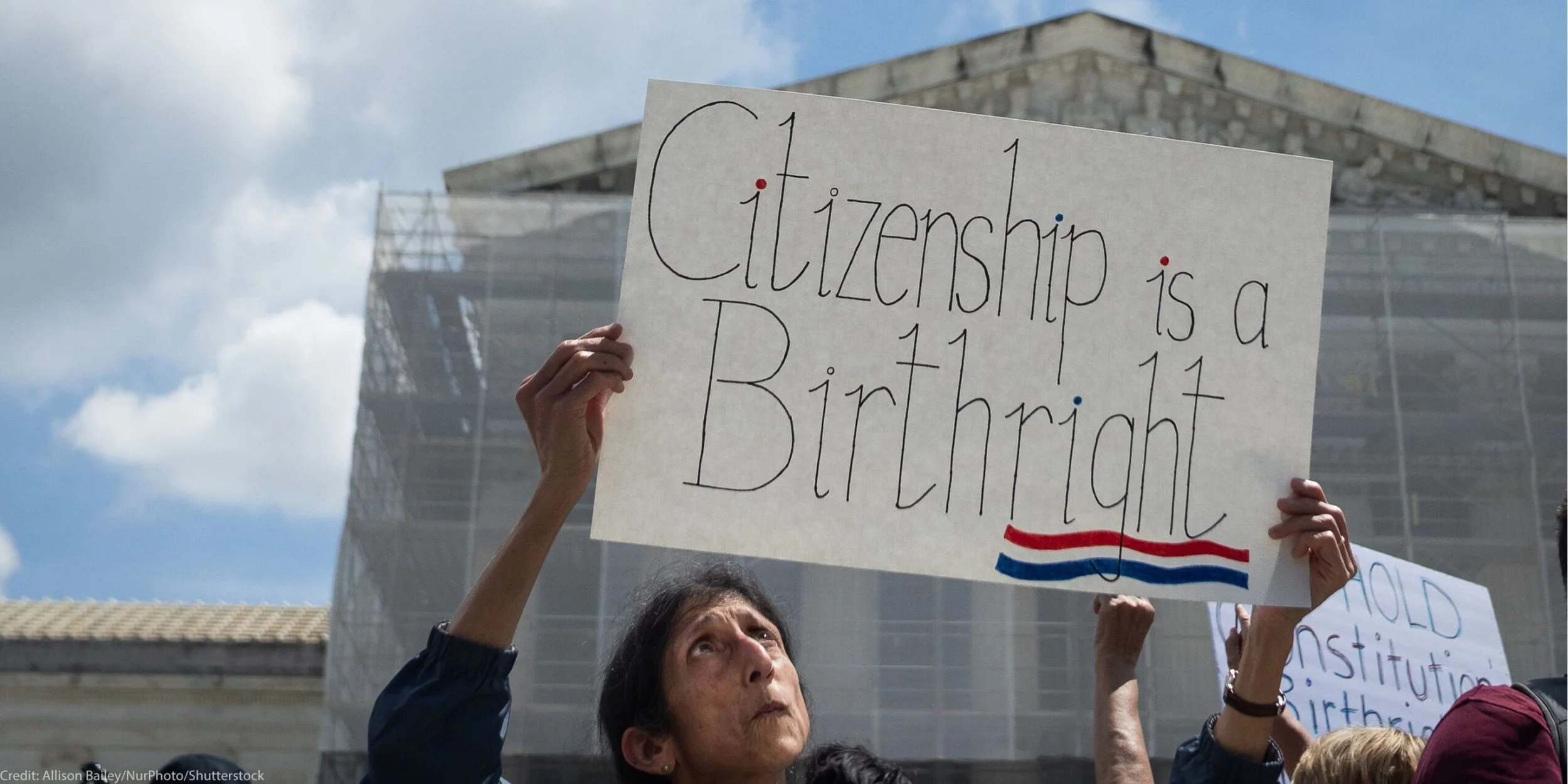
The US Supreme Court's Trump v. Barbara ruling blocked the executive order restricting birthright citizenship, holding that citizenship is constitutionally protected and cannot be redefined by decree. Yet it leaves the executive's administrative immigration tools—deportation, asylum limits, TPS termination, visa restrictions—intact. The decision is a constitutional exception within a pattern of judicial deference, with consequences for global talent flows and Latin America.
Dorian Kantor, Istiak Ahmed
Our Work

Portfolio

Services
Areas of Analysis
The Briefing Room